
BY KAMRI HOGANS ESQUIRE
There’s something powerful about growing your own food. It’s not just about fresh vegetables or saving a few dollars at the grocery store—it’s about control, connection, and self-sufficiency. In a world where everything moves fast, starting a garden slows things down in the best way possible.
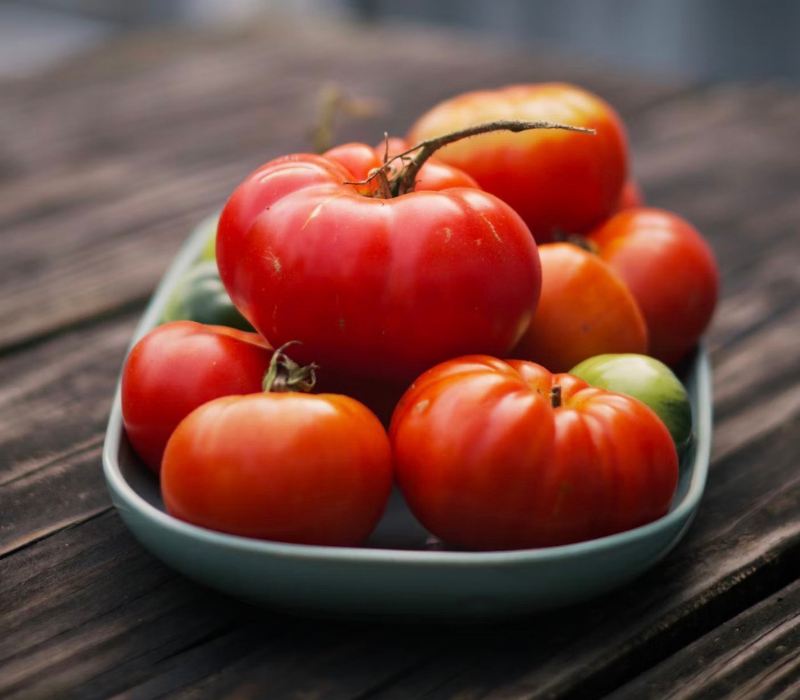
You don’t need acres of land to begin. A small backyard, a few raised beds, or even containers on a balcony can produce an impressive amount of food. The key is starting simple. Focus on beginner-friendly crops like tomatoes, lettuce, peppers, herbs, and green beans. These are resilient, grow quickly, and give you a rewarding return without overwhelming you.
Gardening teaches patience and discipline. You learn to pay attention—to sunlight, watering schedules, and soil quality. It becomes less about perfection and more about consistency. Just like anything else worth building, your garden reflects the effort you put into it.
Beyond the practical benefits, there’s a deeper value. Growing your own food reconnects you to what you eat. You know exactly where it came from, how it was grown, and what went into it. No guesswork. No shortcuts. Just real food
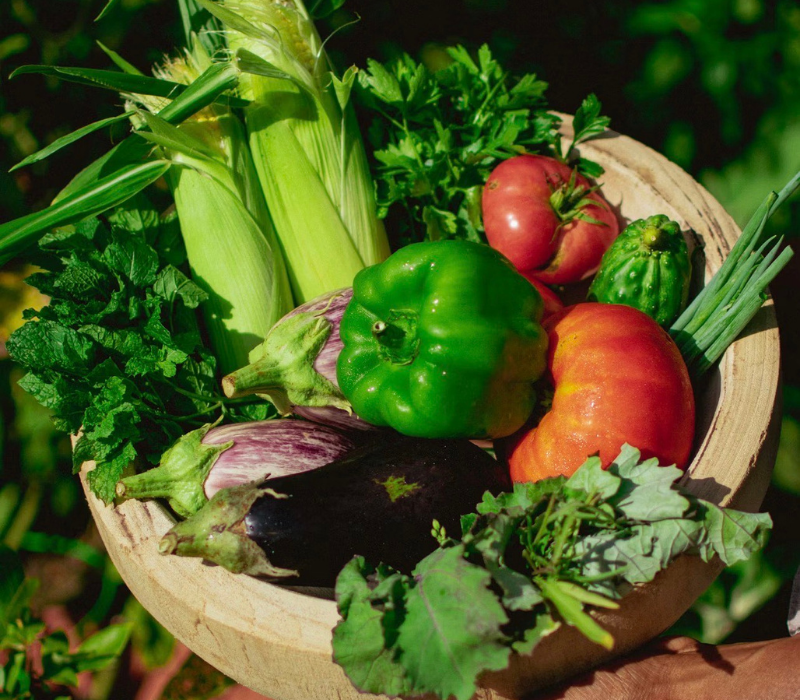
There’s also a mental health benefit that often goes overlooked. Spending time outdoors, working with your hands, and watching something grow from seed to harvest creates a sense of peace and accomplishment that’s hard to replicate.
And let’s be honest—there’s a certain pride in putting a meal on the table that you helped grow yourself.
Starting a garden isn’t about becoming a farmer overnight. It’s about taking one intentional step toward a healthier, more grounded lifestyle. Start small, stay consistent, and let it grow from there.

