By DEMETRIUS Carrington
It was 1986. I was in the 10th grade, and like a lot of young men coming into their own, I was searching for a sound that felt like me. Something that didn’t just move your feet but moved your mind.
I was already fully immersed in electronic music. Bands like Duran Duran, The Police, Thomas Dolby, Kraftwerk, and Prince had introduced me to a futuristic, synth driven world. That sound felt mechanical, emotional, and ahead of its time, and it pulled me in.
At the same time, I was promoting high school parties, so dance culture had a strong hold on me. House music ruled the floors. It was the soundtrack of the moment. But even in those packed rooms, I felt like something else was coming. Something deeper. Something Detroit.
Then I heard it.
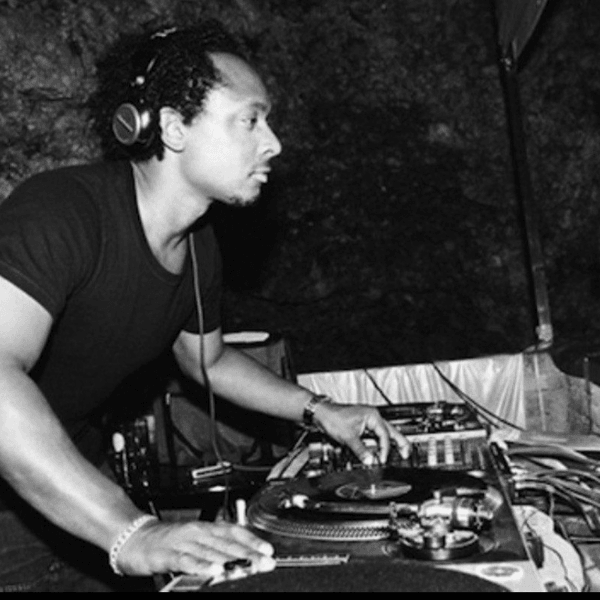
A track called Let’s Go by Juan Atkins and Derrick May. In that moment, I heard the future.
Two years later, my guy D Wynn introduced me to Derrick. A friendship formed around creativity, curiosity, and culture. I remember Derrick asking me what I thought about the name techno.
I did not like it at first. It did not feel soulful enough. It did not capture what I was hearing. But history has a way of proving you wrong when something is bigger than your opinion.
By 1988, Derrick May had released new music and the world took notice.
What we now call techno was not just music. It was Detroit speaking.
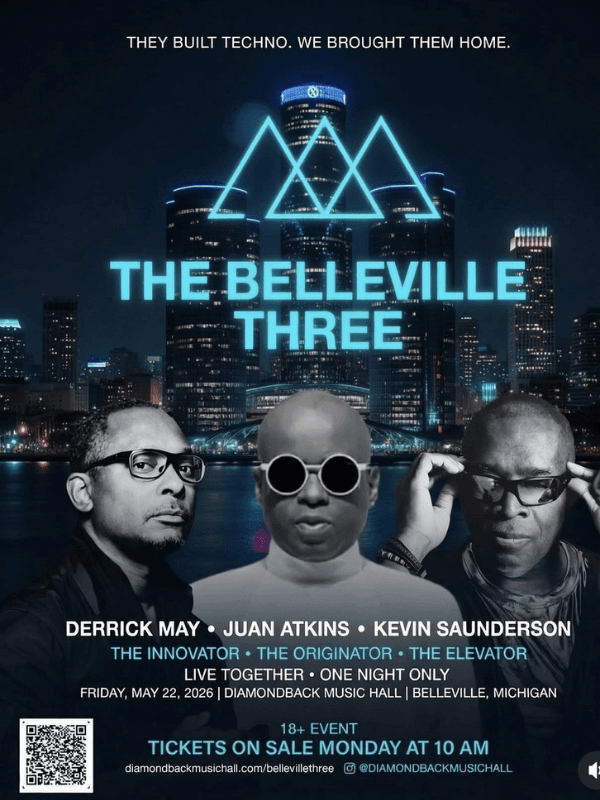
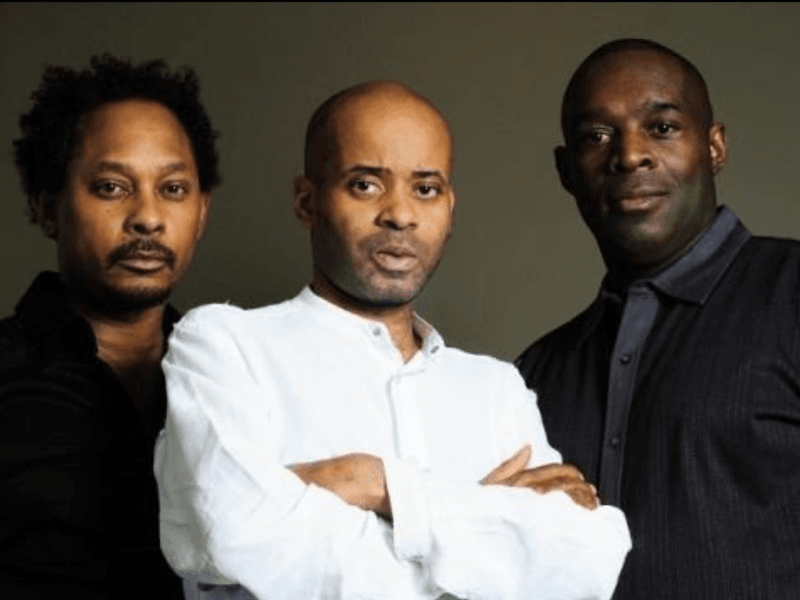
Born from the minds of three young Black men from Belleville Michigan, Juan Atkins, Derrick May, and Kevin Saunderson, this sound fused funk, electronic experimentation, and a vision of the future shaped by an industrial city. They became known as the Belleville Three, but what they truly were were architects of a new world.
Detroit in the 1980s was facing economic decline and uncertainty. From that struggle came innovation. Machines became instruments. Assembly lines became rhythm. The sound of industry became music.
Techno became the soundtrack of a city rebuilding itself.
The music did not stay in Detroit. It traveled across the world and found a second home in Europe, especially in Germany. Cities like Berlin embraced it and built culture around it. Today techno is global.
Back home, its impact is undeniable. Every year Movement Electronic Music Festival brings thousands to Detroit. The city fills with energy and opportunity. What started underground became a major cultural force.
Beyond economics, techno created space for freedom. No judgment. No barriers. Just rhythm and connection.
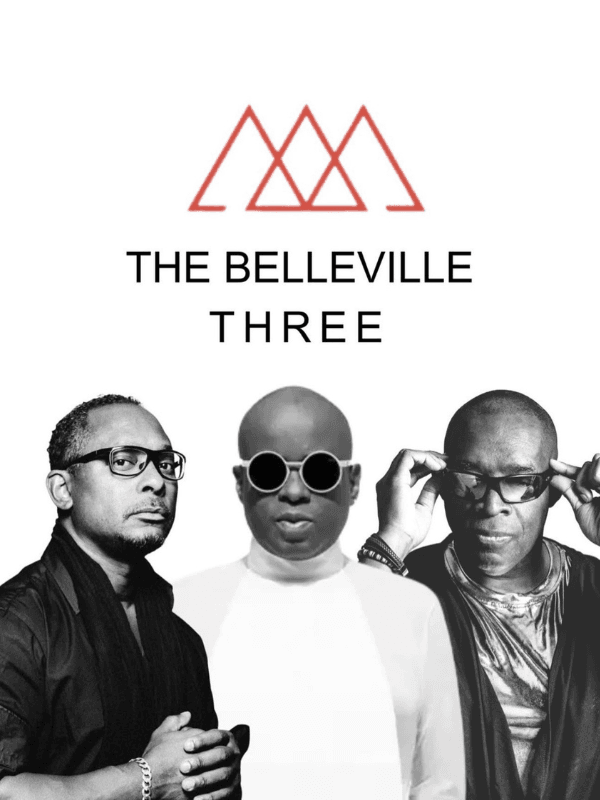
While the Belleville Three laid the foundation, others expanded it. Jeff Mills pushed sonic boundaries. Mike Banks and Underground Resistance gave the music purpose and edge. Carl Craig brought evolution and musical depth. Eddie Fowlkes added soul. D Wynn helped connect the culture in those early days.
This part must be said clearly.
Techno is a Black art form.
It was created by African American men. It came from the same creative foundation as funk and soul. Yet many people enjoying techno today do not know where it comes from. That is not the issue. The lack of awareness is.
Detroit gave this to the world. These pioneers deserve to be celebrated.
Every May, the city comes alive. The sound echoes through Hart Plaza and people travel from everywhere to experience it. Movement is more than a festival. It is a homecoming and a reminder that Detroit builds culture.
Looking back, I can still feel that moment in 1986. That curiosity and that pull toward something new.
I did not know I was witnessing the start of a global movement. I do now.
Techno is Detroit.
Techno is innovation.
Techno is resilience.
Techno is Black creativity on a global stage.
This is not just music.
This is techno.
Do not miss a rare opportunity to see all three pioneers playing together May 22 where it all began in Belleville Michigan. Tickets are available now.