

By Demetrius Carrington
Detroit in the 1980s and 1990s was a city of extremes. It was a time when the underground economy flourished and money moved through the streets at astonishing speed. Fortunes were made overnight. Luxury cars, designer clothing, and larger than life reputations became symbols of status in neighborhoods across the city. Some of the men who operated in that world achieved a level of celebrity that rivaled athletes and entertainers.
Among them was James “Buck” Ivy.
People who knew Buck during those years often describe him differently than many of his contemporaries. In an era when toughness was currency and intimidation was often mistaken for power, Buck stood apart. He possessed movie star looks, undeniable charisma, and a quiet confidence that made an impression on nearly everyone he met.
What made him truly unique, however, was not his appearance. It was his spirit.
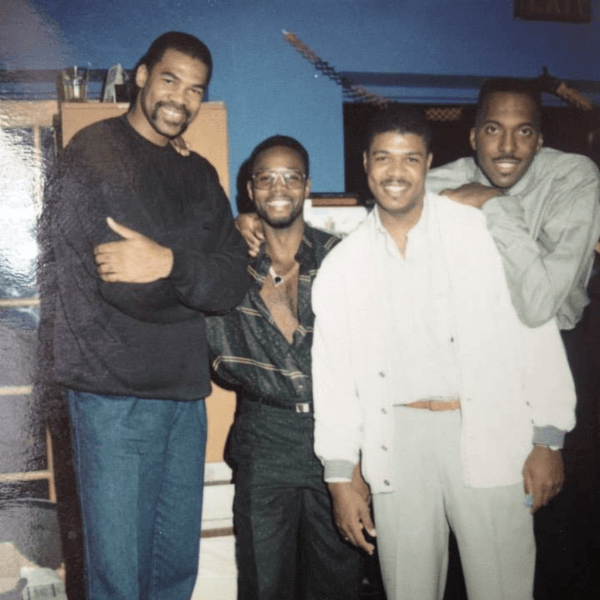
Friends and associates remember Buck as polite, respectful, and remarkably kind. While many around him embraced the hard edged persona that often accompanied street life, Buck never allowed that mentality to define who he was. To those who knew him, he remained approachable, thoughtful, and selective about the company he kept. He was admired by local athletes, entertainers, and peers alike, not simply because of his success, but because of the way he treated people.
Despite enjoying the rewards that came with his lifestyle, Buck reportedly carried himself differently. He valued relationships, respected others, and rarely allowed ego to dictate his actions. Even while wearing the finest clothes and driving some of the most coveted vehicles, he never lost the qualities that made people gravitate toward him in the first place.
But as history has shown time and again, life built around illegal activity rarely has a happy ending.
Eventually, the world Buck once knew came crashing down. Following a federal indictment, he was sentenced to prison, where he would spend the next twelve years of his life. For many, prison becomes a place of bitterness and resentment. For Buck, it became something else entirely.
It became a place of transformation.
Those years behind bars forced Buck to look inward. Removed from the distractions and temptations of his former life, he began a profound journey of self examination. He dedicated himself to spiritual growth, strengthened his relationship with God, and committed to becoming a better man.
Equally important, Buck chose to face his circumstances with dignity. He accepted responsibility for his past and conducted himself with honor. Even when doing so offered no personal advantage, he remained steadfast in his principles.
By the time his sentence ended, Buck had changed.
When he returned home, many assumed he would simply return to the life he had once known. Instead, he chose a different path.
He rebuilt.
He reinvented himself.
And perhaps most importantly, he redeemed himself.
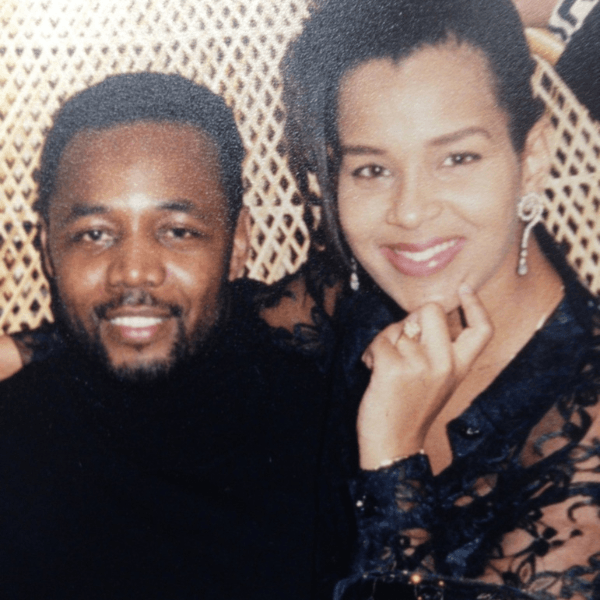
Today, Buck is experiencing what many describe as a second wave of respect, one rooted not in fear, money, or reputation, but in character. He has become an active presence in the nonprofit community, dedicating himself to helping others and making a positive impact. He has earned the trust of those around him and has become a productive and valued member of society.
He is also a devoted father, a mentor, and an example of what redemption can look like when a person truly commits to change.
The story of James “Buck” Ivy is not simply about the streets, prison, or the mistakes of a younger man. It is about grace. It is about faith. It is about the extraordinary power of transformation.
In a world often defined by violence and destruction, Buck managed to preserve something many people lose along the way, his humanity.
Today, he continues to live a life dedicated to service, spirituality, and family. And while his past will always be part of his story, it no longer defines him.
His legacy is no longer the life he once lived.
It is the life he chose to build after.
And perhaps that is why so many now refer to him as the last OG.

