
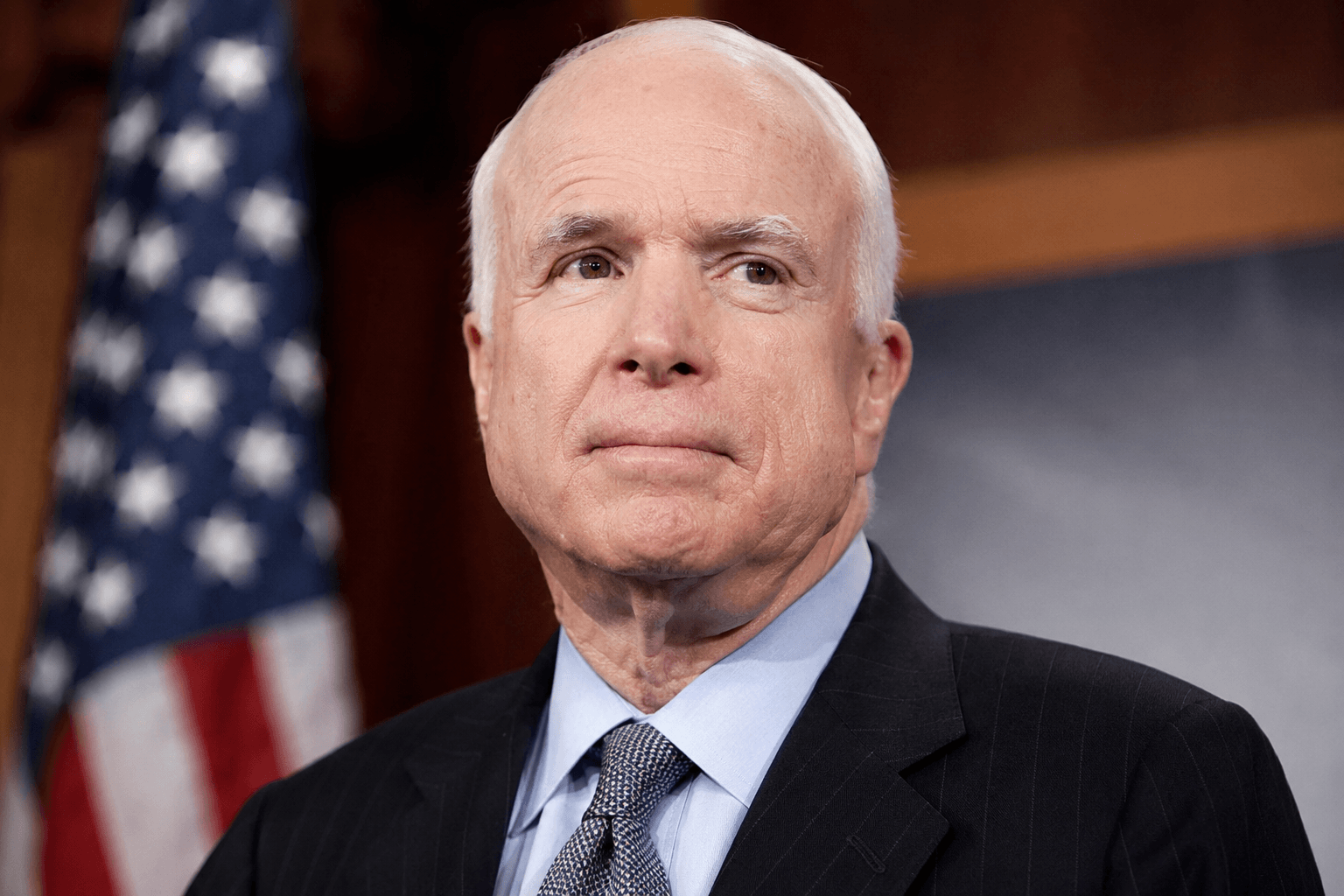
There are few figures in modern American politics who are remembered with genuine admiration by people on both sides of the aisle. The late Senator John McCain is one of them.
In today’s political climate, that may be his greatest accomplishment.
McCain was far from a perfect man, and he would likely be the first person to admit it. He could be stubborn, fiery, and uncompromising. He was a conservative’s conservative on many issues. Yet what set McCain apart was something increasingly rare in American politics: character.
Before he was a senator, before he was a presidential nominee, John McCain was an American war hero. A Navy pilot during the Vietnam War, McCain endured more than five years as a prisoner of war, suffering torture and refusing early release because he believed it would violate the military code of honor. The experience shaped him and instilled in him a profound love of country that transcended party politics.
McCain loved America more than he loved political victory.
That distinction mattered.
Throughout his career, McCain routinely worked with Democrats when he believed it was in the nation’s best interest. He partnered with political opponents on campaign finance reform, immigration, veterans’ issues, and countless other pieces of legislation. He understood that governing required compromise and that compromise was not a dirty word. To McCain, finding common ground was not weakness. It was leadership.
Perhaps no moment better illustrates the man John McCain was than an exchange during his 2008 presidential campaign against Barack Obama.
At a town hall meeting, a supporter suggested that Obama was someone to be feared and questioned his character. McCain immediately took the microphone back.
“No, ma’am,” he said. “He’s a decent family man, citizen, that I just happen to have disagreements with on fundamental issues.”
In a political era increasingly fueled by conspiracy theories, personal attacks, and outrage, McCain’s response stands as a remarkable act of courage and decency. He refused to demonize his opponent for political gain. He understood that disagreement did not require hatred.
Imagine that.
John McCain believed that people with different political views could still be honorable Americans.
Today, that idea feels almost revolutionary.
It is difficult to imagine McCain being comfortable with what much of the Republican Party has become. He frequently warned against nationalism, isolationism, and the politics of resentment. He believed deeply in democratic institutions, international alliances, and the importance of truth. He valued service over celebrity and sacrifice over slogans.
One suspects that he would be saddened by the coarseness of today’s political discourse and alarmed by the willingness of many leaders to place partisan loyalty above constitutional principles.
John McCain did not always win political battles. He certainly did not always make everyone happy.
But he never stopped fighting for what he believed was right.
In an age of performative outrage and political tribalism, McCain’s legacy reminds us that patriotism is not measured by party affiliation, social media posts, or campaign rallies. It is measured by service, sacrifice, integrity, and an unwavering commitment to the country above oneself.
America may never see another John McCain.
That is precisely why we miss him so much.

