
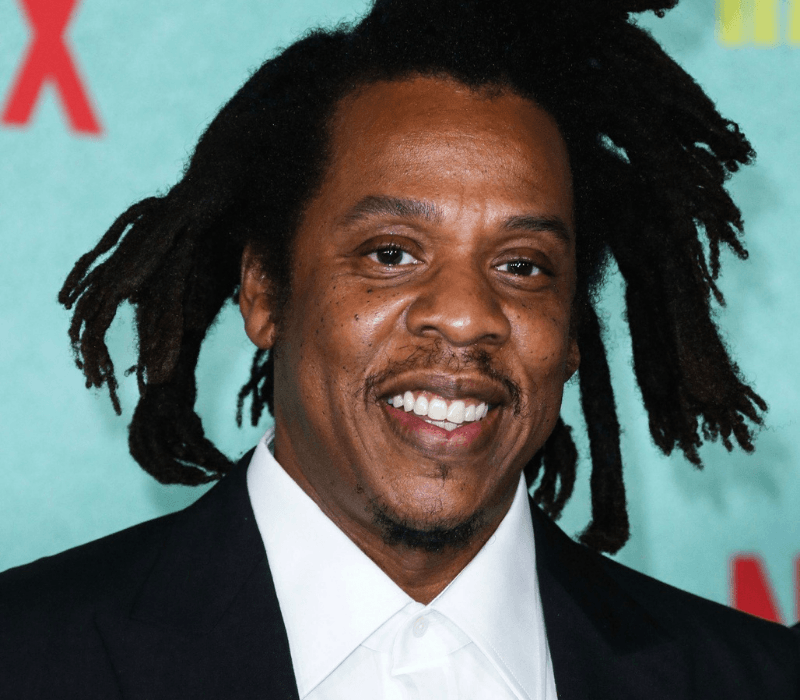
30 Years of Mastery, Growth, and the Mind of a Mogul
There are artists… and then there is Shawn Carter.
For three decades, Jay-Z has not simply participated in hip-hop—he has defined, elevated, and outgrown it in real time. From the Marcy Projects to boardrooms that shape global culture, “The Jay-Z Effect” is not just about music. It’s about evolution, discipline, and the rare ability to turn survival into strategy—and strategy into empire.
The Beginning: Hustle Meets Vision
Jay-Z’s origin story is now folklore. A young man from Brooklyn, navigating the realities of street life while sharpening a lyrical pen that would soon rival the greatest to ever touch a microphone. When the industry didn’t immediately embrace him, he did what legends do—he built his own door.
Reasonable Doubt wasn’t just an album—it was a thesis. A detailed blueprint of ambition, risk, and consequence. Ironically, the lack of early industry support became one of his greatest advantages. As he later reflected, independence allowed him to think differently, to move like an owner from day one.
That mindset would become the foundation of everything that followed.
The Highs, The Battles, The Growth
Jay-Z’s career has never been without friction. From legendary lyrical battles—most notably with Nas—to navigating an industry built on ego and competition, he has experienced both the thrill and the cost of dominance.
But what separates Jay-Z from many of his peers is not just his ability to win—it’s his ability to evolve.
In his recent GQ interview, he reflects on hip-hop’s current climate, particularly the high-profile feud between Drake and Kendrick Lamar. While acknowledging the competitive spirit that once fueled the culture, Jay-Z makes something clear: the game has changed.
Today’s battles, amplified by social media and fan “stan culture,” have become more personal—and more destructive.
He notes that what was once lyrical sport has now crossed into something darker, where lines are blurred and families get pulled into the chaos. The negativity, he suggests, may no longer be worth the cost.
That perspective doesn’t come from weakness—it comes from wisdom. From someone who has lived both sides of it.
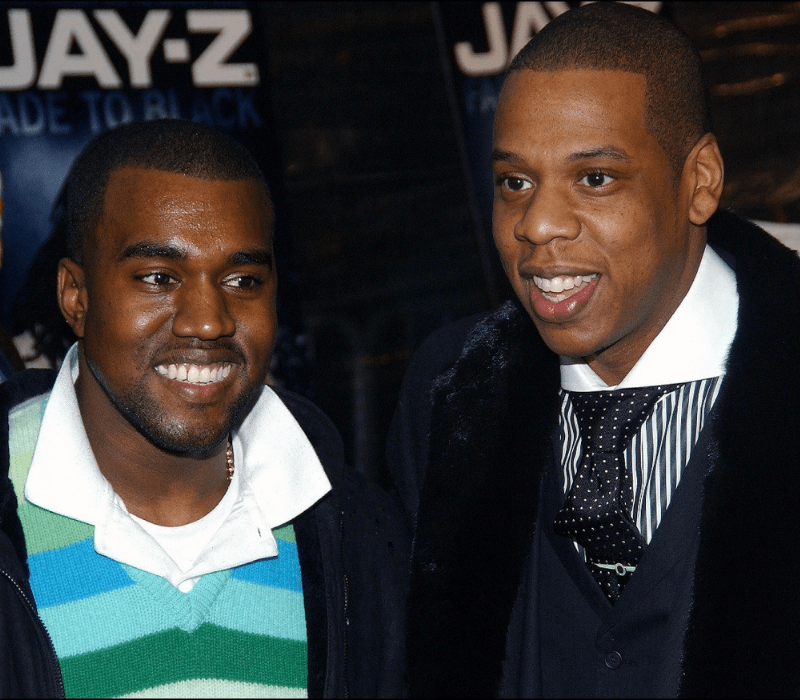
Def Jam, Kanye, and Cultural Leadership
Jay-Z’s run as President of Def Jam wasn’t just a career move—it was a statement. He transitioned from artist to executive seamlessly, proving that creativity and corporate leadership could coexist.
During this era, his relationship with Kanye West became one of the most influential partnerships in music history. The Blueprint helped redefine hip-hop production, and their later collaboration on Watch the Throne symbolized a new level of artistic and financial aspiration.
Their relationship has had its ups and downs—like most great partnerships—but its cultural impact is undeniable. Together, they shifted hip-hop’s focus toward ownership, luxury, and legacy.
Family, Fatherhood, and Purpose
Beyond the music and business, Jay-Z has embraced another role that has reshaped his perspective: fatherhood.
In his GQ interview, he speaks candidly about how his children—especially watching Blue Ivy grow into her own—have added deeper meaning to his life. The grind is no longer just about success; it’s about legacy, presence, and purpose.
This is a version of Jay-Z the world didn’t always see—a man grounded not just by ambition, but by responsibility.
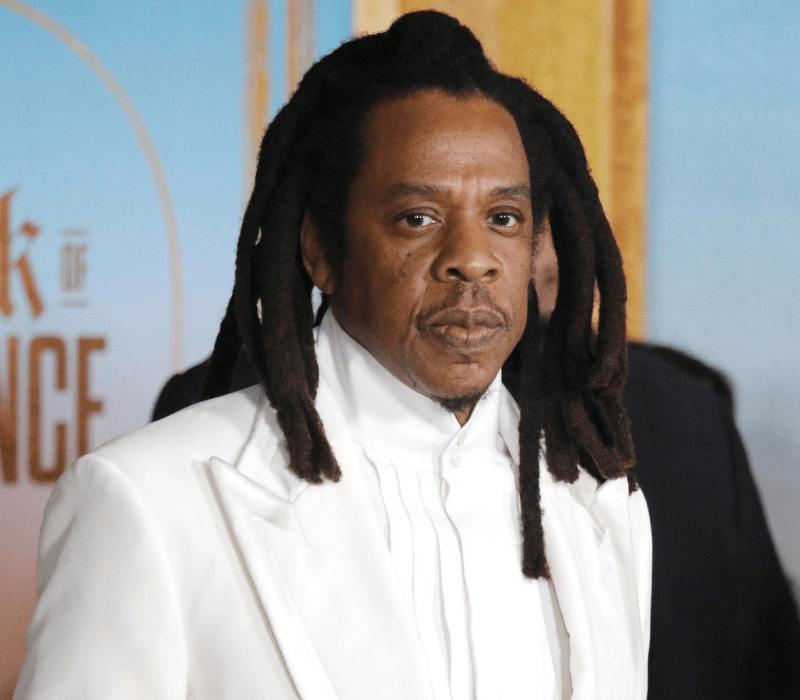
The Billionaire Mindset
Jay-Z didn’t just become wealthy—he became a blueprint for how to think about wealth.
From Roc Nation to strategic partnerships with global brands, he has consistently played the long game. Ownership over quick payouts. Equity over visibility. Infrastructure over momentary hype.
He once rapped about wanting to own buildings instead of just standing in them—and then he went and did exactly that.
Today, as a multi-billionaire, Jay-Z represents something larger than hip-hop. He is a case study in economic mobility, cultural leverage, and the power of thinking beyond your current environment.
The Lawsuit and Standing on Principle
Even at this level, challenges still come.
In his recent interview, Jay-Z addressed the sexual assault lawsuit that was filed against him and later dismissed. He spoke openly about the emotional toll it took—not just on him, but on his family.
He was clear in his stance: he refused to settle, not because it would have been easier, but because it would have compromised his principles.
The case was ultimately dropped, and Jay-Z has maintained his innocence throughout.
For him, it was about more than reputation—it was about integrity.
The Jay-Z Effect: Growth Over Noise
At 30 years in the game, Jay-Z is no longer chasing relevance—he is relevance.
What stands out most in this phase of his life is not just what he has accomplished, but how he thinks. There is a calmness now. A measured approach. A refusal to engage in chaos simply for attention.
He admits that if he were to make music today from a place of anger, it wouldn’t serve anyone.
That level of self-awareness is rare—and it may be his greatest evolution yet.
“The Jay-Z Effect” is not just about hits, headlines, or billions.
It’s about transformation.
From a young man navigating survival to a global figure shaping culture, business, and conversation—Jay-Z has shown us what it means to grow intentionally.
And perhaps his most important message today is this:
Not everything that can be done… should be done.
Not every battle is worth fighting.
And sometimes, the greatest flex isn’t proving you’re the best—
It’s proving you’ve outgrown the need to.

