

A headline that’s been making the rounds in men’s health conversations lately is the idea of “Ozempic penis”—claims from some men that taking Ozempic (semaglutide) has made their penis larger. It’s a viral, attention-grabbing story, but when you look at what medical experts are saying, the truth is a lot more grounded—and still interesting.
The buzz appears to be driven mostly by anecdotal reports (men sharing personal experiences on social media and forums) and pop-culture coverage of the trend. Forbes, for example, covered the phenomenon and highlighted that the reports are real—but that doesn’t automatically mean the drug is causing true anatomical growth.
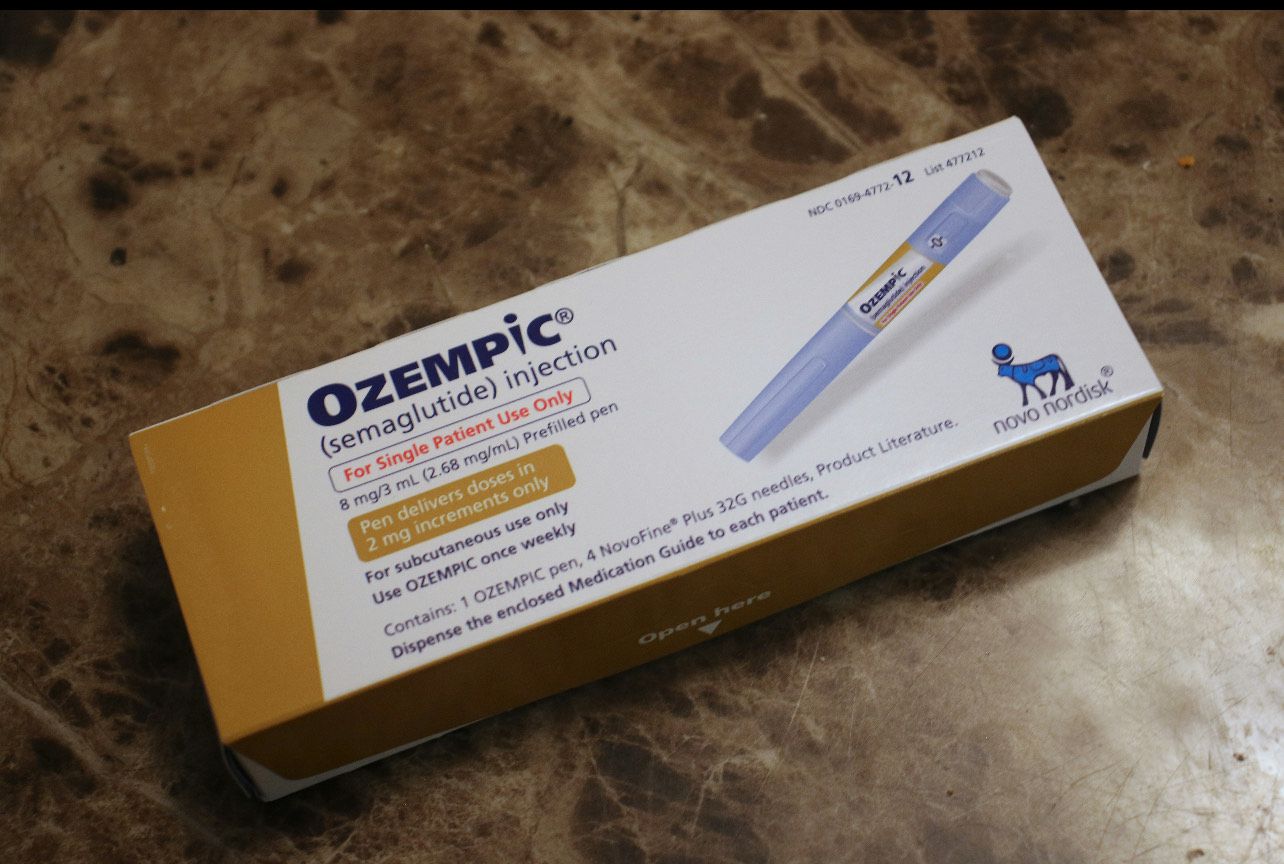
Right now, the most consistent medical messaging is: no—there’s no solid scientific evidence that GLP-1 medications like Ozempic directly increase penile tissue size. Healthline states clearly that there’s no known mechanism linking GLP-1 drugs to genital tissue growth.
Experts point to two main explanations:
1) “Buried penis” reversal (more visibility after weight loss)
If someone carries extra fat in the lower abdomen/pubic area, part of the shaft can be visually “hidden.” When weight comes off—especially with significant fat loss—more of the penis becomes visible, creating the appearance of increased length. This is repeatedly cited as the most plausible explanation.
2) Better metabolic health → better erections (function can change appearance)
Weight loss and improved cardiovascular/metabolic markers can support erectile function for some people, which may make erections firmer and therefore seem larger in practice—even if tissue size hasn’t changed. A 2025 narrative review discusses GLP-1 receptor agonists in relation to erectile function as an emerging area of research (not penis enlargement).
- Valid trend? Yes—men really are reporting it.
- Valid “true growth” claim? Not supported by current evidence.
- Most likely reality: Weight loss “unhides” length + improved erection quality can change what you notice.

