

In a city defined by resilience, reinvention, and revolutionary thought, New Era Detroit stands as a modern answer to an age-old question: How do we truly organize, unify, and advance our communities?
At the center of that answer is Isiah “Zeek” Williams, an everyday brother from Detroit’s west side whose vision is rooted not in theory, but in lived experience, discipline, and action.
Truth is often stranger than fiction, but in this case, the truth is refreshingly clear—change does not come from loud rhetoric or distant leadership. It comes from structure, accountability, and people willing to do the work.
Zeek’s journey began with a simple yet powerful understanding: Black communities across the globe are rich in talent, intellect, and passion, but too often lack the organizational frameworks necessary to sustain progress. Rather than accept this as an unchangeable reality, he set out to reimagine how communities organize themselves in the modern era. That vision gave birth to New Era Detroit, which later expanded into the broader concept of New Era Community Connection—a model designed to modernize collective organizing in Black communities worldwide.
What sets Zeek apart is his refusal to lead from a pedestal. He is not a figurehead who issues commands from behind a desk. He is a frontline leader—present, accountable, and deeply invested. Respect, for Zeek, is not demanded; it is practiced. It is given and received through consistency, transparency, and results.
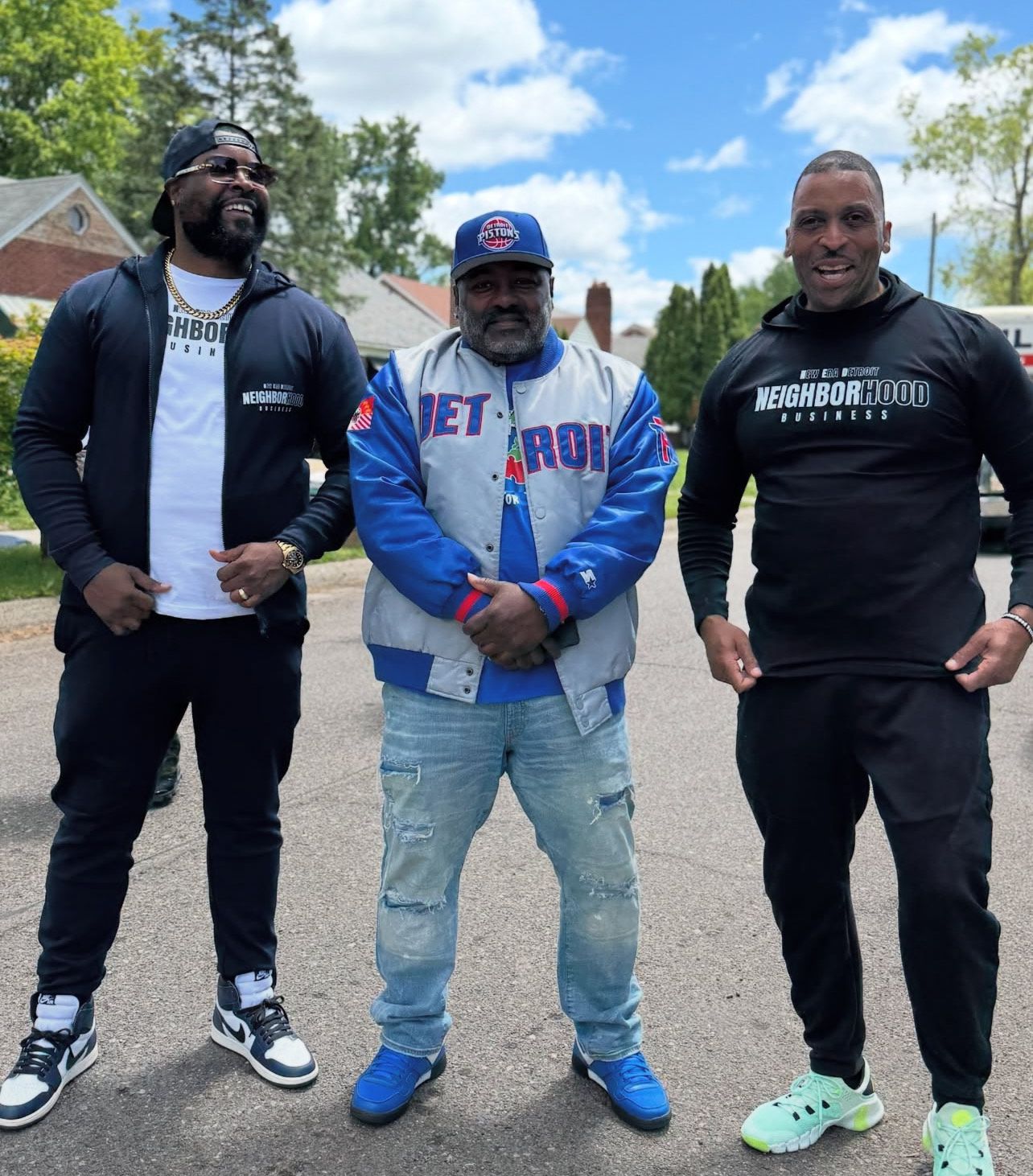
Under his leadership, New Era Detroit has become more than an organization—it is a movement powered by likeminded, educated Black men and women from diverse backgrounds and belief systems, united by a single mission: the progression and unification of Black people and Black communities worldwide. This inclusivity is intentional. Zeek understands that real growth requires a broad table, one where differences are not obstacles but strengths.
His leadership philosophy is heavily influenced by two historical giants: Harriet Tubman and Kwame Ture. Tubman’s mental fortitude and organizational brilliance—guiding countless enslaved people to freedom against impossible odds—serves as a blueprint for courage and strategic leadership. Ture’s emphasis on empowerment, structure, and collective responsibility informs Zeek’s belief that liberation is not accidental; it is organized.
At the core of New Era Detroit’s work is accountability. Every program, initiative, and method is built on consistency and innovation, ensuring that progress is measurable and sustainable. This approach challenges outdated systems of organization and replaces them with models designed for today’s realities—global connectivity, evolving social dynamics, and the urgent need for unity without uniformity.

Zeek speaks often about a mindset shift he sees taking place across Black communities worldwide. It is an awakening—a collective realization that evolution is possible when intention meets structure. New Era Detroit, he says, simply provides the blueprint. Or as he puts it, “We just happen to have the Black print to make it happen.”
In an era where performative activism often overshadows meaningful work, New Era Detroit stands as a reminder that progress is not about optics—it’s about systems. It’s about people willing to show up, stay consistent, and build something that lasts.
Detroit has always been a city of builders. Through New Era Detroit and the steady leadership of Isiah “Zeek” Williams, that legacy continues—organized, intentional, and unapologetically forward-thinking.

