
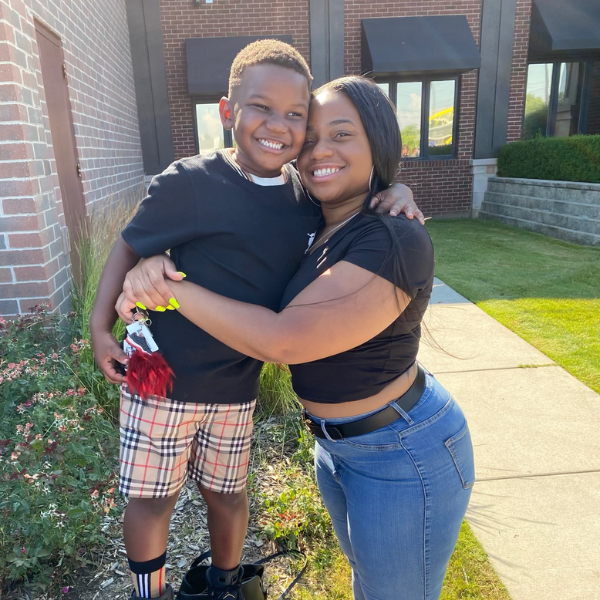
By: Antisia king
Six years ago, the city of Detroit was shaken by a tragedy that made headlines across the community. An innocent six-year-old boy, Tairaz Moore, lost his life to gun violence. In an instant, a child full of love, curiosity, and promise was taken from his family, leaving behind a mother, siblings, family, friends, and a community struggling to understand such a devastating loss.
As October approaches, it will mark six years since Tairaz’s passing. While time has moved forward, the pain of losing him has never disappeared, his mother says, Brittany Lauren Harris. The loss of a child is something no parent should ever have to endure. In the beginning, life became about survival—finding the strength to make it through each day while carrying unimaginable grief.
Although many people believed I was doing “okay,” I was fighting battles mentally and emotionally that few could see. Through my faith in God, the support of my family, and my determination to keep going, I learned that grief never truly leaves you. Instead, you learn how to carry it. I often remember my mother’s words: “You can be sad, but you can’t be sad for long.” Those words helped me make a choice—to continue living, growing, and honoring my son’s memory.
Today, I keep Tairaz’s name alive by speaking his name and sharing his story. His legacy lives on through the Tairaz Moore Foundation, a nonprofit organization created in his honor. Our mission is to support families impacted by gun violence, empower young people, and help create safer, stronger communities. Every goal I achieve, every family I help, and every life I touch carries a piece of Tairaz with it.
Gun violence is more than a public safety issue—it is a public health crisis. Studies have shown that gun violence has become one of the leading causes of death among children in the United States. That reality should concern all of us. No family should have to experience the heartbreak and trauma that comes with losing a child to violence. While the causes of violence are complex, the need for action is clear. We must invest in our children, support survivors, strengthen our communities, and create opportunities that promote hope instead of despair.
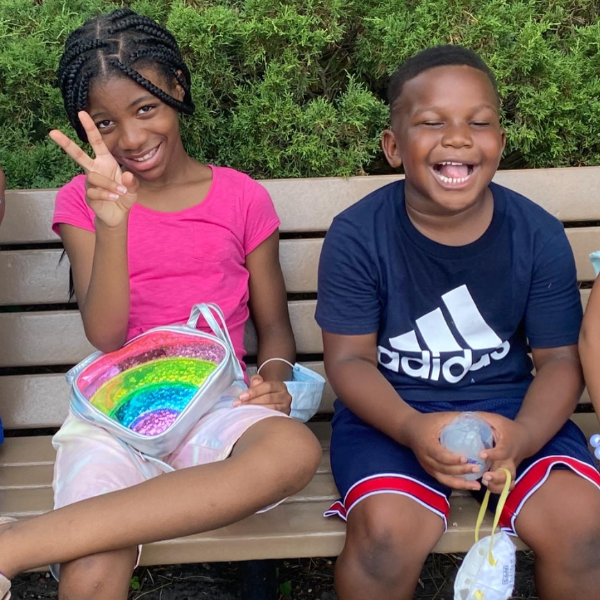
My greatest motivation continues to be my children and the promise I made to myself after losing Tairaz—that neither my pain nor my son’s life would be in vain. His loss inspired me to pursue my education, focus on healing, and become an advocate for others facing similar struggles. I am committed to turning pain into purpose and building a legacy that reflects the love and light my son brought into the world.
My healing journey has been supported by faith, therapy, family, community, and a conscious commitment to personal growth. Losing my son changed how I view violence and its impact on families and neighborhoods. Wanting to better understand these issues, I returned to school. In one year, I will graduate from Wayne State University, a milestone inspired in large part by Tairaz’s memory. My education has helped me process my own trauma while deepening my understanding of why many Black communities experience higher rates of violence and often have fewer resources available to address it.
I find peace through prayer, reading, journaling, spending time with family, and connecting with others who are committed to making a positive difference. Most importantly, I find comfort in knowing that love never dies. Tairaz remains a part of me every day.
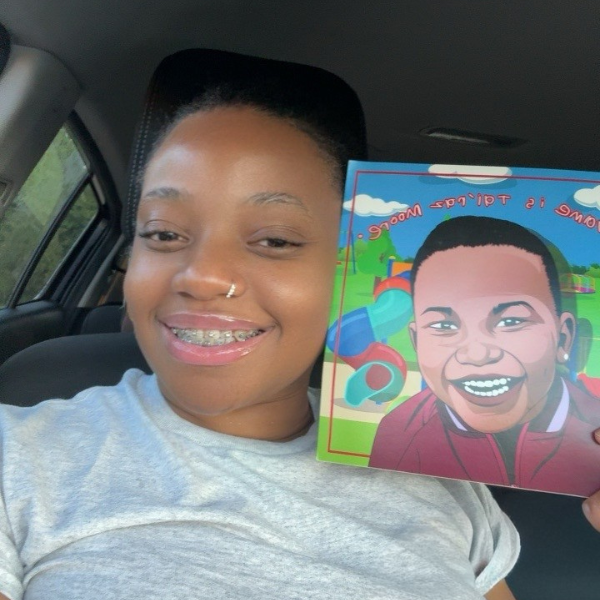
One of the most meaningful ways we have preserved his memory is through a children’s book originally written by my mother, Tairaz’s grandmother. Instead of creating a traditional obituary, we chose to tell his story through a book that celebrates who he was—a kind-hearted, curious, loving little boy whose spirit continues to inspire others. The book serves as a reminder of how precious life is and how important it is to cherish every moment with the people we love.
My hope is that this story encourages conversations about love, family, grief, resilience, and healing. I hope it brings comfort to families who have experienced loss and reminds them that a life can continue to make a profound impact long after a person is gone.
Tairaz’s life may have been tragically cut short, but his legacy continues to live on—in his family, in his community, and in every life touched by his story. This is the true meaning of life after death: when love, purpose, and memory continue to inspire change long after someone is gone.

