

Meet Alena Analeigh McQuarter
There are gifted children, extraordinary students, and then there are young people whose abilities make us reconsider what we thought was possible at a certain age. Alena Analeigh McQuarter belongs in that rare category.
At an age when most children are thinking about high school, Alena was already navigating college classrooms and building a future in science. She graduated from high school at 12, entered college at 12, participated in work connected with NASA, founded an organization devoted to helping girls of color pursue careers in science and received early acceptance to medical school at only 13.
Her accomplishments are remarkable individually, but together they tell the story of an extraordinary young mind whose intellectual gifts became apparent almost from the beginning.
Alena was born in 2008 and grew up in Texas. Her mother, Daphne McQuarter, recognized early that there was something unusual about the way her daughter learned and processed information. By three years old, Alena was already reading chapter books.
As she grew older, conventional academic expectations did not always match her abilities. Her mother encouraged those abilities rather than restricting them according to what children her age were traditionally expected to accomplish. Alena was homeschooled for a period and eventually returned to traditional schooling while continuing advanced coursework, and the results were extraordinary.
Alena graduated from high school at only 12 and began attending Arizona State University years before most students even start thinking seriously about college.
Her first major ambition was not medicine, it was space. Alena dreamed of becoming an engineer and working with NASA. At 12, that fascination developed into a real opportunity when she participated in a NASA internship that included remote research associated with the Jet Propulsion Laboratory.
For most people, working with NASA at 12 would become the defining accomplishment of their childhood, but for Alena it became another chapter.
College eventually changed her direction as engineering fascinated her, but biological science increasingly captured her attention. She pursued biological sciences with a concentration in biomedical sciences. Her interests expanded into disease, public health, immunology and disparities affecting communities with inadequate access to quality health care.

Then came the accomplishment that introduced Alena to much of America. In 2022, at just 13 years old, she received early acceptance to the University of Alabama at Birmingham Marnix E. Heersink School of Medicine through its Burroughs Wellcome Scholars Early Assurance Program.
The news quickly traveled across the country as people learned that a 13 year old had been accepted to medical school.
Alena did not immediately begin medical school at 13. Her acceptance came through an early assurance program designed to provide qualified students with a future place after completing the necessary academic requirements. Still, a respected medical institution was willing to secure an opportunity for a young teenager whose academic development had placed her years ahead of the traditional educational timeline.
By December 2023, Alena had reached another remarkable milestone. At 15, she graduated from Arizona State University with a Bachelor of Science in biological sciences with a concentration in biomedical sciences. She was also recognized as a Dean’s Medalist by the university’s School of Life Sciences.
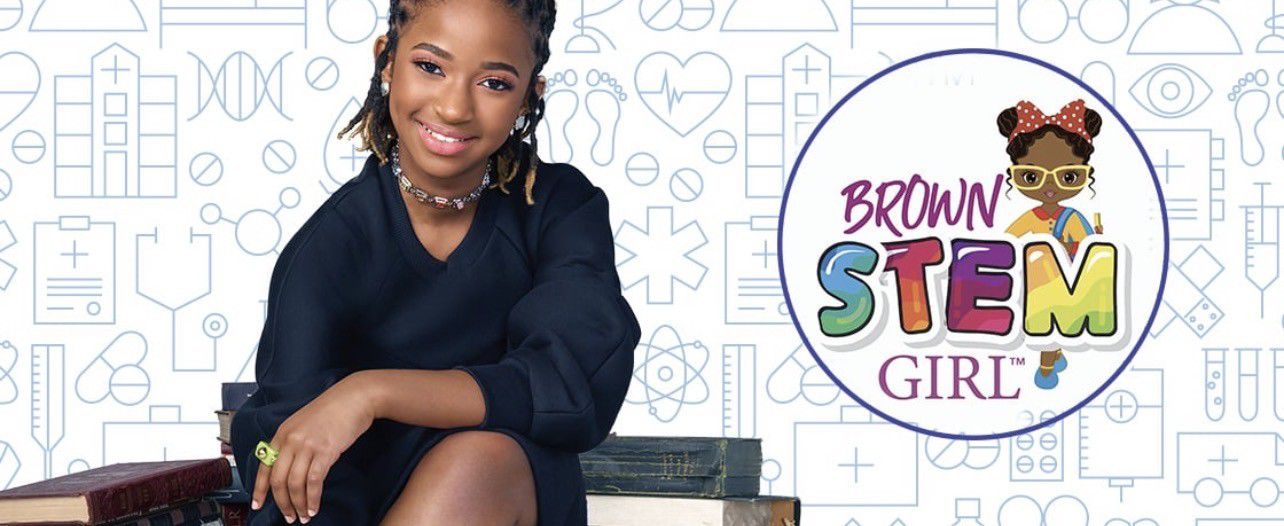
Perhaps the most meaningful part of her story cannot be measured by a degree or acceptance letter. Alena founded Brown STEM Girl, an organization created to encourage girls of color to explore opportunities in science, technology, engineering and mathematics.
Through the organization, she has worked to provide exposure, mentorship, scholarships and opportunities for young women who may struggle to imagine themselves entering certain scientific fields. Instead of simply celebrating being an exception, Alena began creating opportunities for other girls to follow.
Her mother has remained an important part of that journey. Daphne recognized something special in her daughter and created an environment where those abilities could grow. Her example demonstrates that talent matters, but so does the environment surrounding it, because a gifted child still needs someone willing to recognize the gift.
Alena’s story challenges many assumptions about intelligence and age. Society creates timelines for almost everything, including when children are expected to graduate, begin college and eventually pursue professional careers.
Every once in a while, someone reminds us that human ability does not always follow a calendar, and Alena Analeigh McQuarter is one of those people.
Her story is not extraordinary because she defeated age. It is extraordinary because her intellectual gifts developed at a level rarely seen at her age, and she had people around her who recognized those abilities and allowed them to flourish.
There is no way to know exactly where those gifts will ultimately take her. Medicine, scientific research and her work empowering young women all remain part of an extraordinary future.
After everything Alena has already accomplished, perhaps the most remarkable fact is that her story is only beginning. Genius has no age, and Alena Analeigh McQuarter may be one of the most extraordinary examples of that truth.

