
By Demetrius Carrington
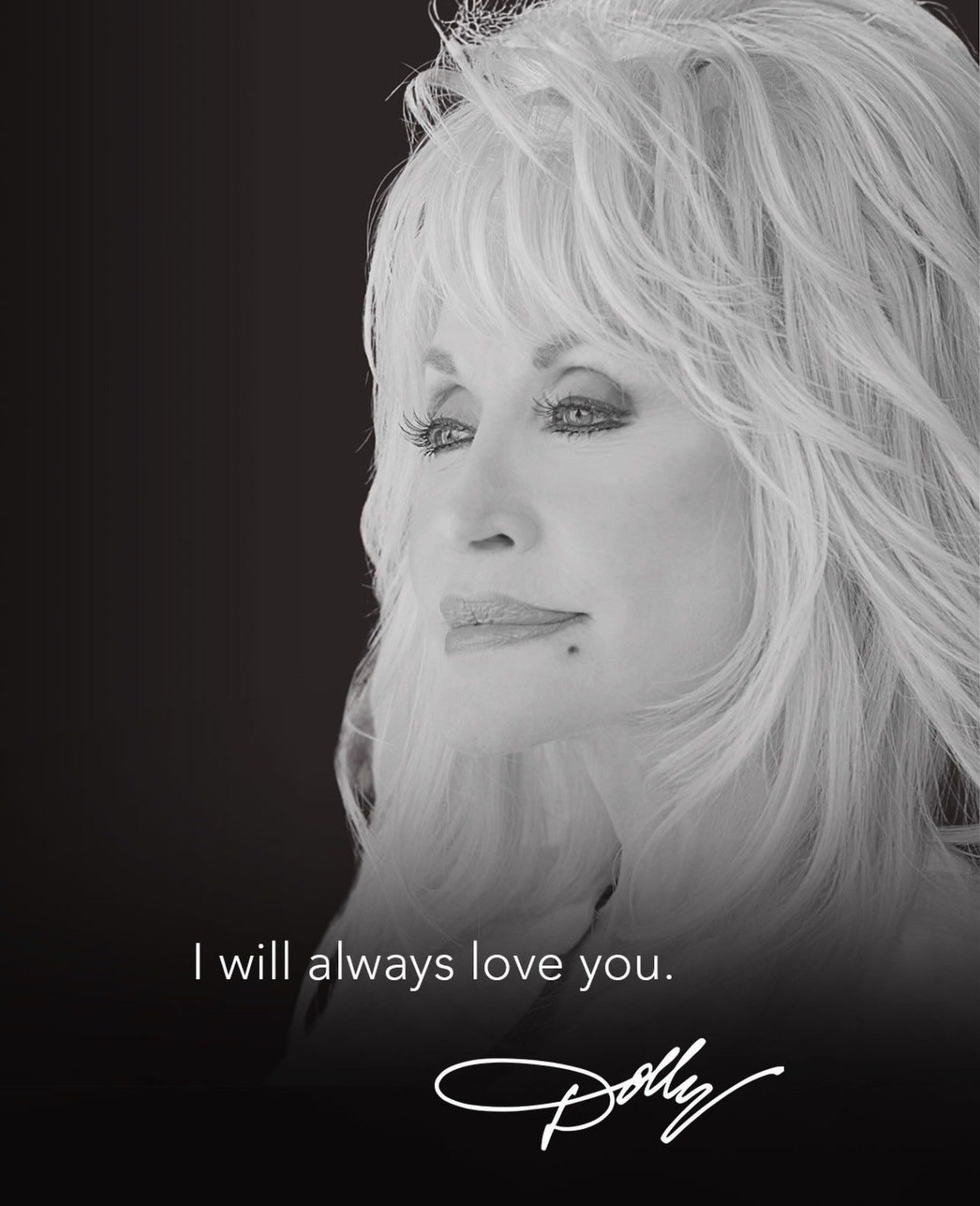
There are celebrities we admire, entertainers we enjoy and public figures whose accomplishments demand respect. Then there are those rare people who become bigger than fame itself. Dolly Parton was one of those people. Her extraordinary career explains part of the affection people had for her, but it does not explain all of it. People loved Dolly because beneath the rhinestones, enormous hair, unmistakable voice and larger than life personality was a woman who never seemed to forget where she came from or lose her ability to care about people who came from completely different worlds.
Dolly Rebecca Parton was born in 1946 in rural East Tennessee, one of 12 children in a family with very little money. She grew up in a small cabin in the mountains and eventually became one of the most successful entertainers in American history. She sold millions of records, wrote songs that became part of American culture and built a business empire that made her extraordinarily wealthy. Success on that level can create distance between a person and the world they once knew. Dolly seemed to move in the opposite direction. The more she acquired, the more opportunities she found to give something away.
That part of her story is especially meaningful when you consider the time and place in which she was raised. Dolly was born in the South in 1946, when segregation was still legal and racial discrimination was deeply embedded in American life. Not everyone who grew up in that environment accepted those attitudes, but they were certainly surrounded by them. Dolly came from that world and became someone whose public life was defined far more by acceptance than exclusion.
When America was confronting the killing of George Floyd and the national conversation surrounding race in 2020, Dolly did not dance around the issue. “Of course Black lives matter,” she said. It was a simple statement, but coming from an older white country music legend from Tennessee, it carried significance. Dolly seemed to understand something that should never have been complicated. Recognizing the humanity and dignity of Black people did not take anything away from anyone else.
Her willingness to listen could also be seen in her decision to remove the word “Dixie” from the name of her dinner attraction. She acknowledged that when people tell you something is offensive or causing pain, you should pay attention. There was no long public battle about political correctness. She listened and made the change.
Dolly also shared a remarkable connection with one of the greatest Black singers of all time. Whitney Houston turned Dolly’s “I Will Always Love You” into a global phenomenon. Dolly earned substantial royalties from Whitney’s recording and later revealed that she invested some of that money in property in a predominantly Black area of Nashville. She spoke about the connection with warmth and appreciation, recognizing what Whitney’s extraordinary interpretation of her song had meant to her financially and culturally.
Perhaps the greatest example of Dolly’s giving spirit is the Imagination Library. She started the program in 1995 in honor of her father, who could not read or write. The idea was beautifully simple. Put books into the hands of children from the time they are born until they enter school. Books are mailed directly to children’s homes at no cost to their families. What started in Dolly’s home county in Tennessee eventually grew into an international literacy movement that has distributed hundreds of millions of books.
Think about what that means. Somewhere a child opens a mailbox and finds a book with their name on it. Somewhere a parent who may not have much money can sit beside a child and read a bedtime story. Somewhere a little boy or girl discovers an idea that changes the direction of their life. Dolly Parton made that possible millions of times over.
Her generosity did not stop with literacy. Through the Dollywood Foundation, she supported education and scholarships in Tennessee. After devastating wildfires struck East Tennessee in 2016, her My People Fund provided direct financial assistance to families who had lost their homes. Instead of simply lending her name to a fundraiser, Dolly helped put money directly into the hands of people who desperately needed it.
When COVID changed the world, Dolly donated $1 million to Vanderbilt University Medical Center for coronavirus research. That contribution helped support research connected to the development of the Moderna vaccine. She was not a scientist and never pretended to be one. She simply had the resources to help people who were doing important work, so she helped.
There was another side of Dolly’s life that deserves just as much respect. She understood commitment.
Dolly married Carl Dean in 1966, before most of the world knew her name, and they remained married until his death in 2025. Their marriage lasted nearly 59 years. Think about that for a moment. Dolly became internationally famous, traveled constantly, worked with some of the biggest stars in entertainment and spent decades surrounded by an industry where marriages often struggle under the pressure of fame. Through all of it, Dolly and Carl remained together.
Their relationship was unusual because Carl wanted almost nothing to do with celebrity. He preferred privacy and stayed away from the spotlight. Dolly respected that. She did not need to transform her marriage into publicity. Carl did not need to become famous because his wife was famous. They allowed each other to be individuals while remaining committed to the life they had built together.
That lesson feels particularly relevant today. We live in a culture that often celebrates the new more than the lasting. Relationships are displayed on social media, analyzed by strangers and sometimes discarded almost as publicly as they began. Dolly and Carl represented something different. Their marriage did not need an audience to have value.
Dolly often spoke with humor about their relationship and acknowledged that spending time apart because of her career may have actually helped their marriage. Behind the jokes was something deeper. There was respect, friendship and room for each person to remain themselves. Their relationship demonstrated that independence and commitment do not have to be enemies.
Maybe that is another reason people connected with Dolly. She never presented herself as perfect. She could laugh at herself. She could make fun of her appearance while simultaneously controlling every detail of it. She could be deeply rooted in her Southern upbringing without allowing that upbringing to dictate whom she should accept. She could become enormously wealthy without acting as though money made her better than the people who did not have it.
Dolly loved people.
Black people. White people. Gay people. Straight people. Rich people. Poor people. Country people. City people. People who agreed with her and people who probably did not. She had strong beliefs of her own, but she rarely seemed interested in forcing everyone else to live exactly as she did.
There is something powerful about that.
To me, Dolly Parton goes right up there with Muhammad Ali. Their careers could not have been more different, but their lives eventually became about something much larger than the professions that made them famous. Ali became more than a boxer. Dolly became more than a singer. Both became cultural figures whose impact reached people who had never watched an Ali fight or purchased a Dolly Parton album.
That is when celebrity becomes legacy.
Dolly had every reason to isolate herself. She had the money to live behind gates and experience a version of America that most people could never touch. Instead, she kept reaching back. She sent books to children. She helped families rebuild after disasters. She funded scholarships. She supported medical research. She spoke about racial equality. She remained connected to the mountains that raised her and stayed married to the man she loved for nearly six decades.
She managed to be glamorous without becoming disconnected, wealthy without appearing consumed by wealth, Southern without embracing the ugliest parts of the South’s history and famous without losing the ability to recognize ordinary people.
Maybe that is why Dolly was the prototype.
Before inclusion became a corporate slogan, Dolly practiced acceptance. Before celebrity philanthropy became a carefully managed part of personal branding, Dolly gave. Before everyone started talking about authenticity, Dolly seemed to understand that being authentic simply meant knowing who you were and allowing other people the freedom to do the same.
The hair was big. The clothes were loud. The personality was enormous. The talent was undeniable.
But the heart was bigger.
And that is why everyone loves Dolly.

