
By Carita Miller
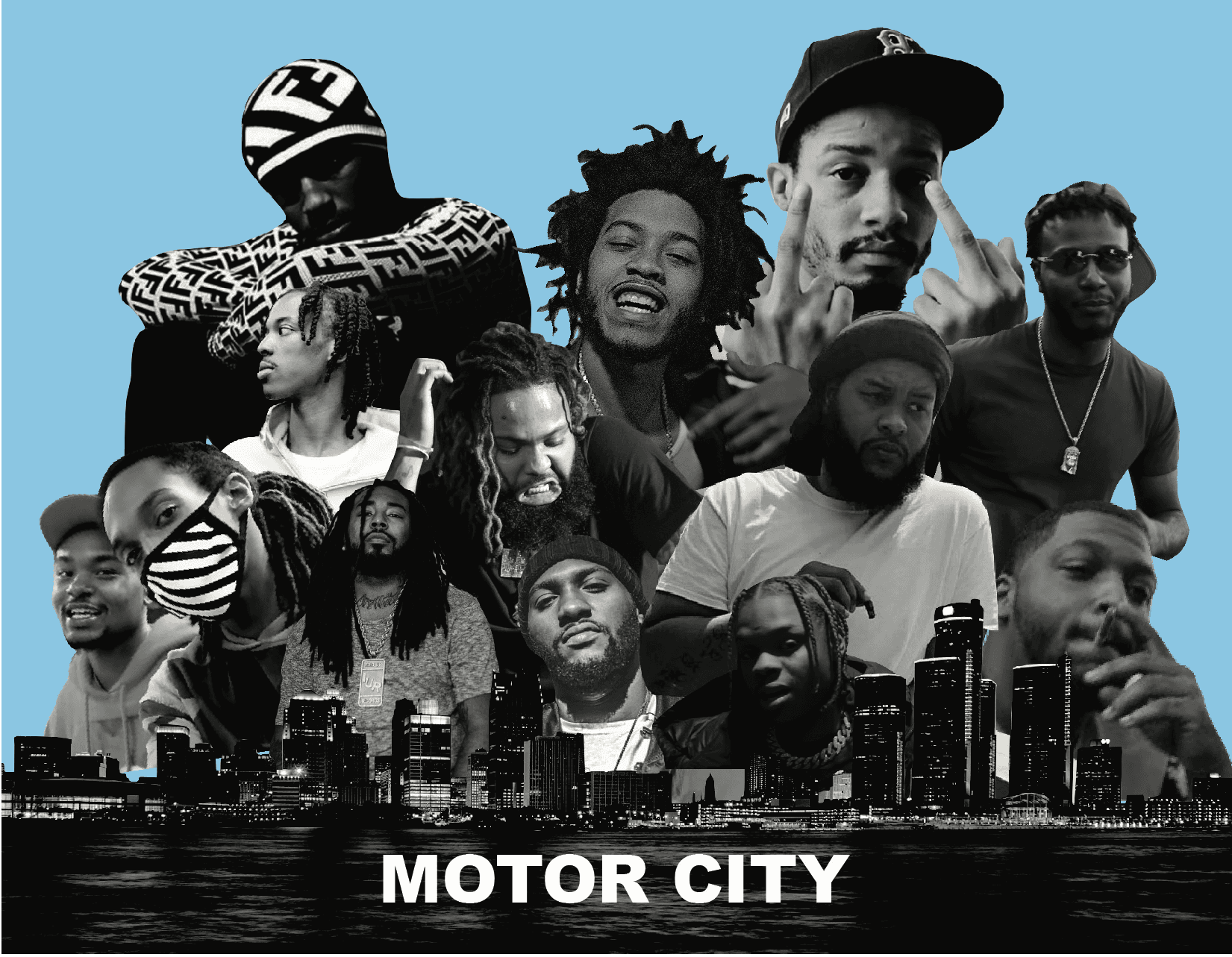
Detroit has never lacked talent. What it’s lacked—until recently—is recognition on its own terms. For years, the city fed the culture while watching other regions reap the rewards. In 2025, that imbalance is finally shifting. Detroit artists are no longer underground legends or regional secrets; they’re charting, touring, producing global hits, and reshaping how the industry listens.
This isn’t a breakout moment. It’s a full-scale arrival.
Detroit hip-hop has always been raw, self-aware, and unapologetically local. What’s changed is that the world is finally fluent in the language.
Artists like Babyface Ray have become the blueprint. Known for his understated delivery and hustler realism, Ray has landed multiple Billboard-charting projects and emerged as one of the most consistent voices in modern rap—without ever abandoning Detroit’s DNA.
Icewear Vezzo took that foundation and scaled it nationally, signing major-label deals, collaborating with industry heavyweights, and turning Detroit street narratives into mainstream success stories.
Then there’s Peezy, whose independent grind turned into Billboard placements and national tours. Peezy represents the city’s entrepreneurial spirit—proof that ownership and authenticity can coexist.
The new generation is building on that momentum. Artists like Asaka the Renegade, Courtney Bell, Bryce the Third, and Nolaj are stretching the city’s sound—blending lyricism, vulnerability, and experimentation. They aren’t chasing trends; they’re defining a Detroit future that’s both fearless and flexible.
Detroit rap today isn’t just respected. It’s studied.
Detroit’s R&B resurgence feels inevitable. This is the city that taught the world how to feel—now it’s teaching it how to heal.
Artists like Charity are restoring emotional honesty to modern R&B, delivering vocals that feel lived-in rather than manufactured. Ari B brings a contemporary edge to classic soul themes, while Sam Watson merges smooth songwriting with Detroit’s signature realism.
These artists aren’t chasing radio formulas. They’re building loyal audiences, syncing with film and television, and carving out spaces where vulnerability is currency. Detroit R&B today feels intentional—music made for late nights, long drives, and real conversations.
Detroit’s gospel scene has always been powerful, but it’s now stepping beyond church walls into wider cultural influence.
Artist like DKG KIE are redefining what modern gospel can sound like—bridging worship, contemporary production, and community-centered messaging. Artists such as Asia Pearson and Semaje continue Detroit’s tradition of faith-based excellence, using music as both ministry and movement.
What sets Detroit gospel apart is its grounding. This is music shaped by lived experience—faith forged in real struggle, not abstraction. As audiences search for meaning in uncertain times, Detroit gospel is finding new ears and deeper resonance.
Behind every movement is a sound—and Detroit’s producers are its unsung architects.
Key Wane stands as one of the city’s most accomplished exports, with Grammy-nominated work and production credits that stretch across hip-hop’s upper echelon. His success cracked the door for a new generation.
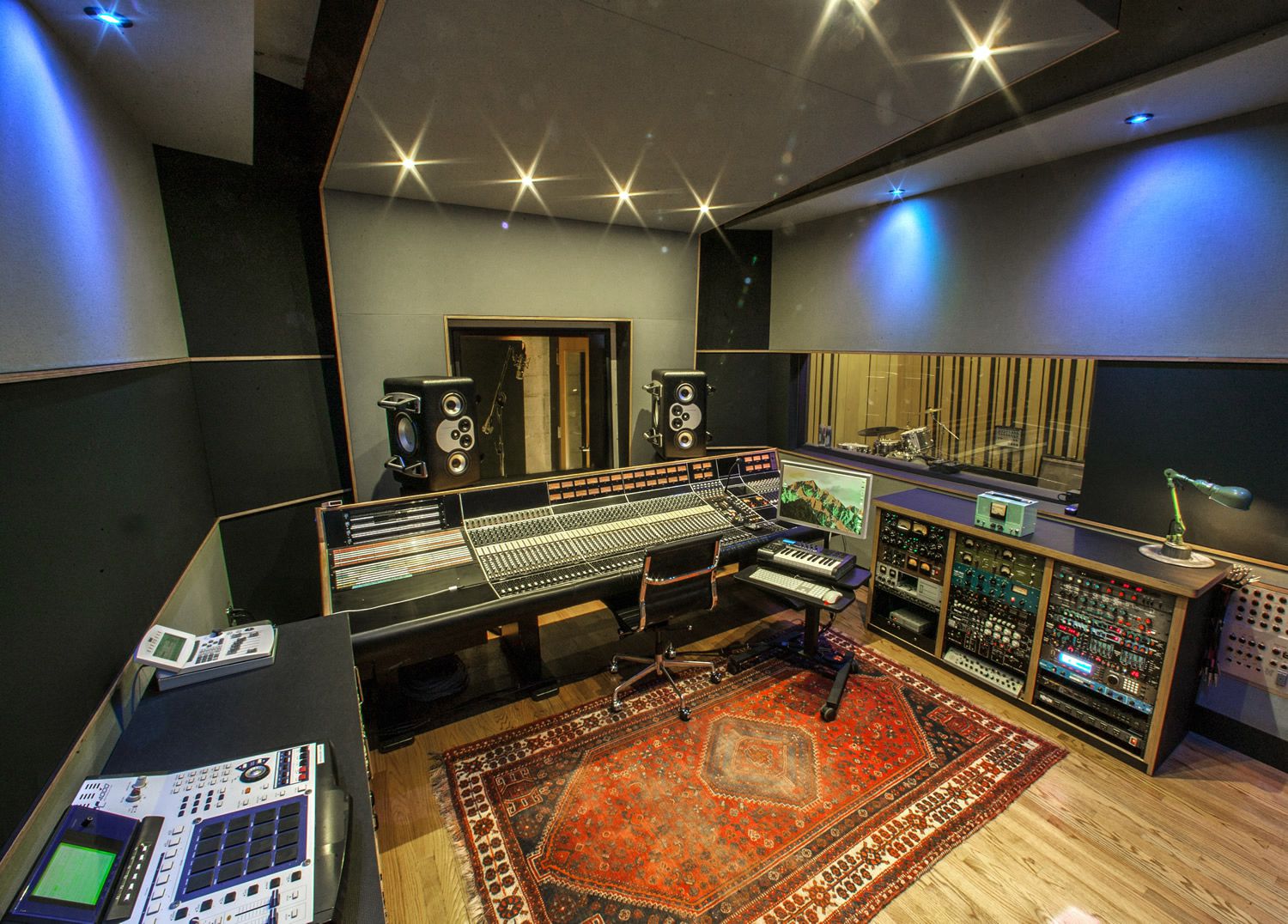
Producers like Jupyter, Dre Butterz, and Pooh You a Fool have helped define Detroit’s modern sonic palette—minimalist beats, heavy basslines, and space for artists to speak plainly and powerfully. Pooh You a Fool’s work with Detroit rappers helped turn local sounds into national hits, further cementing the city’s influence.
Detroit production doesn’t overproduce. It prioritizes truth.
Detroit’s recognition isn’t about validation—it’s about visibility. Artists are owning their masters, building independent platforms, and collaborating across genres without waiting for permission. The industry didn’t suddenly “discover” Detroit; Detroit simply stopped waiting.
This city has always made culture. Now, it’s finally being credited for it.
And as hip-hop, R&B, gospel, and production continue to collide and collaborate, one thing is clear: Detroit isn’t emerging.
Detroit has arrived.

