
By Beautiful Machine Staff
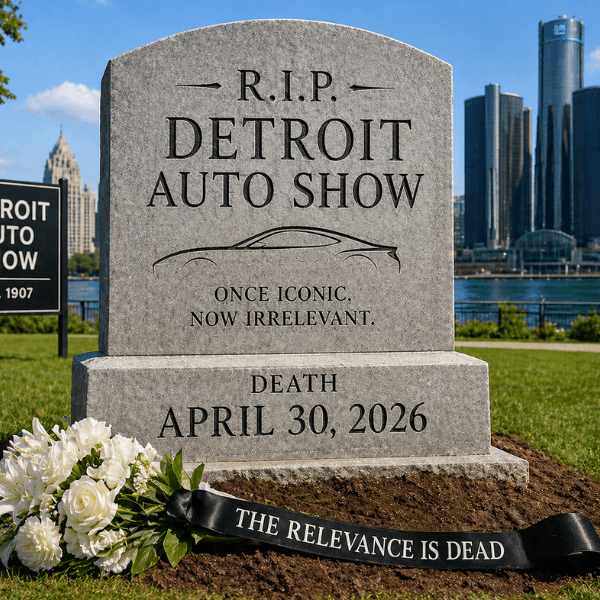
There are moments in a city’s cultural timeline that feel like progress. Moments where you can see the future taking shape in real time. For a brief period, it felt like that was happening with the Detroit Auto Show.
And a big reason for that was Sam Klemet.
Sam did not just lead the show. He reimagined it. At a time when auto shows across the country were struggling to maintain relevance, he brought energy, vision, and intention. He understood something many had either missed or ignored. The Detroit Auto Show could not survive by holding onto yesterday. It had to evolve.
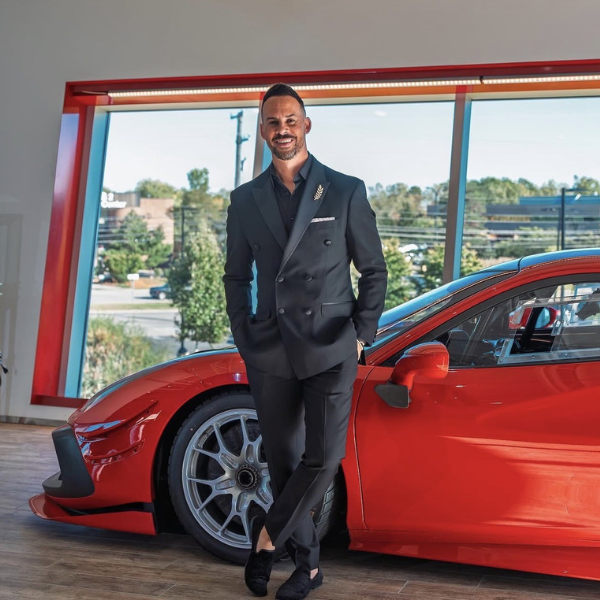
And for a moment, it did.
Under his leadership with the Detroit Auto Dealers Association, the show began to feel different. Younger. More connected. More reflective of the actual culture of Detroit. Not just the legacy of the automotive industry, but the heartbeat of the city itself.
There was a shift toward inclusion, experience, and new voices. The show began reaching new audiences, including a generation shaped by social media. Whether embraced or not, that is where the world is today. Sam leaned into it.
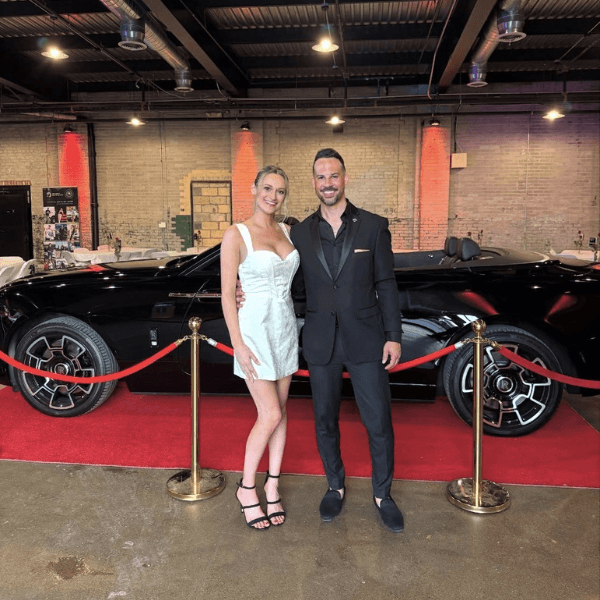
Beautiful Machine had the opportunity to work alongside Mr. Klemet during this new era. We met incredible people and saw firsthand what the show could become. It was no longer just about cars. It was about culture, community, and connection.
And now, just as that vision was gaining traction, he is gone.
That reality is difficult to ignore. It is even harder to understand.
Over the past year, there were rumblings. Quiet conversations. Concerns from what many would call the old guard. People who were uncomfortable with the direction the show was heading. We heard things. Some were disappointing. Some were troubling.
There were whispers that the show was becoming too urban, a phrase that carries weight whether people choose to acknowledge it or not. A phrase that hints at deeper issues that Detroit, like many cities, continues to confront.
To be clear, we cannot confirm every allegation. We do not know the full truth behind closed doors. But we do trust the voices who shared their experiences. And when those voices align with outcomes like this, it raises questions that deserve attention.
Because what we saw was a leader who tapped into Detroit’s culture in an authentic way. A leader who understood that the future of this city is diverse, creative, and modern. A leader who was building something that brought people together across backgrounds.
That matters.
The Detroit Auto Show has always been more than cars. It is about identity, pride, and Detroit showing the world who it is.
But the world has changed.
The image of families piling into a station wagon and spending hours walking the floor feels like another era. That model is not just outdated, it is insufficient. Today’s audiences want experiences. They want engagement. They want to feel something.
Sam Klemet understood that.
The question is, did the board.
From the outside looking in, this feels like a step backward. A retreat into comfort. A decision rooted more in preserving tradition than embracing progress.
And that is where the concern lies.
There have been comments about members of the old guard. Allegations of bias. Suggestions that not everyone was aligned with the inclusive direction the show was taking. We are not in a position to declare those claims as fact. But we cannot ignore the pattern or the timing.
And we cannot ignore how it feels.
For many who believed in the new vision, this moment is not just disappointing. It is disheartening.
Because it sends a message, whether intentional or not. That evolution is optional. That culture can be curated instead of embraced. That progress can be paused.
In a city like Detroit, that is a dangerous message.
So where does that leave us.
For Beautiful Machine, it forces reflection. It raises the question of whether this is still a space where our voice, our culture, and our community are truly welcome. If it is not, then we have no interest in being there.
The Detroit Auto Show, for all its history and prestige, is only as relevant as its ability to reflect the present and inspire the future.
Right now, it feels like it has lost that again.
We hope we are wrong.
We hope that what comes next proves this was not a step backward, but a recalibration. We hope the next leader builds on what Sam started instead of undoing it.
But until then, we are left with a familiar feeling.
Dead again.

