
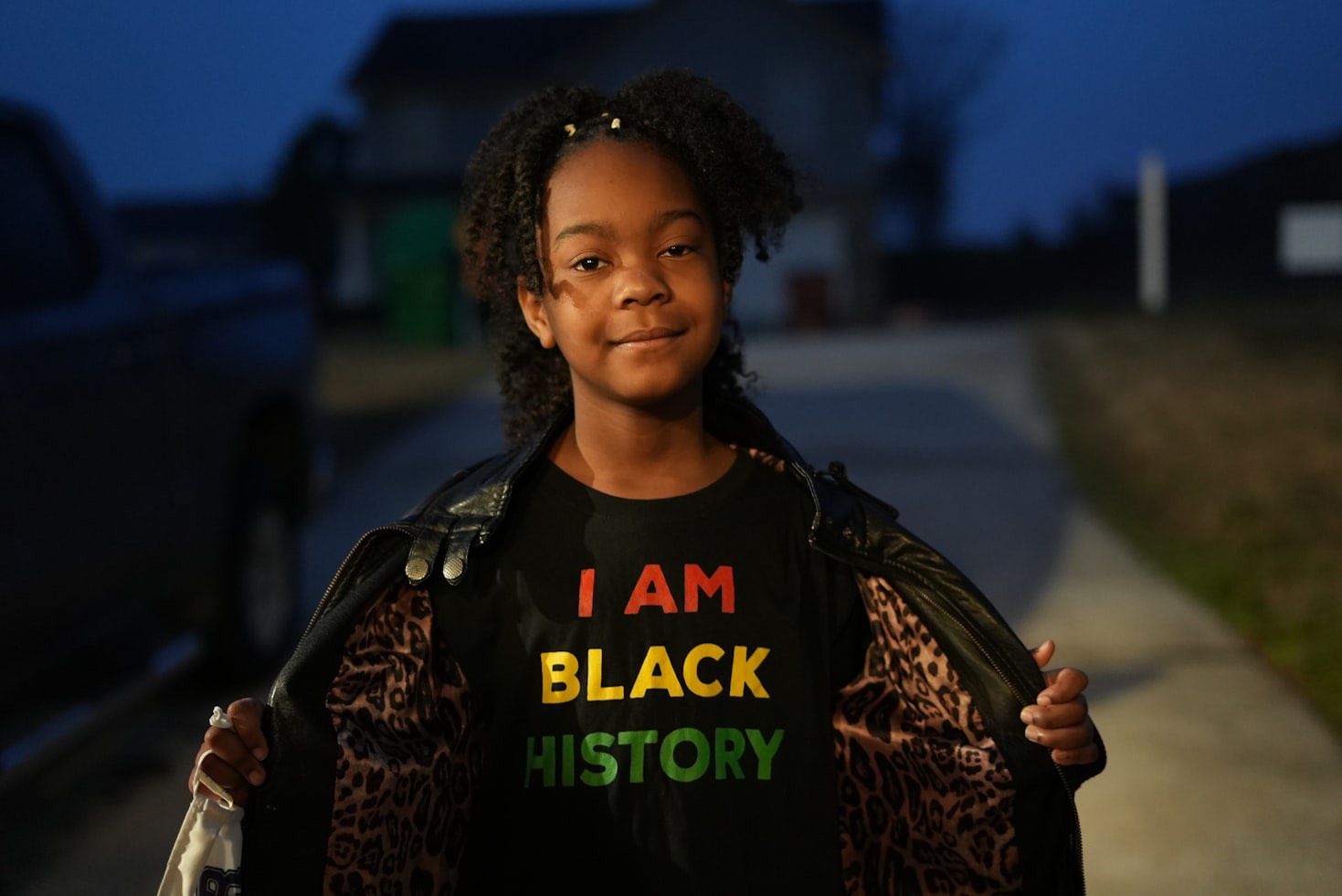
Black History Month is not a sidebar in the American story—it is the story. From the foundations of this nation’s economy to its culture, music, science, politics, and civil rights, Black Americans have shaped every chapter of what we call America. To celebrate Black History Month is not to isolate Black contributions, but to recognize the truth: Black history is American history.
Too often, history has been taught as if Black people entered the narrative only through struggle—slavery, segregation, and protest—while overlooking innovation, leadership, and brilliance. But Black Americans have always been builders of this country. From agricultural mastery that fueled early prosperity, to inventions that changed daily life, to cultural movements that transformed global music, fashion, and art, Black influence is woven into the nation’s DNA. Jazz, hip-hop, rock and roll, and soul music are not simply genres; they are American exports born from Black creativity.
Yet today, the importance of Black History Month feels more urgent than ever. Across the country, there are growing efforts by the current administration and aligned institutions to restrict how race, slavery, and civil rights are taught in schools. Books are being removed. Curriculum is being rewritten. Conversations about systemic inequality are labeled “divisive.” These actions are not about unity—they are about control of the narrative.
Erasing or minimizing Black history does not heal America; it weakens it. A nation that refuses to confront its full past cannot build an honest future. History is not dangerous—ignorance is. When young people are denied access to the truth, they are denied the tools to understand their world and their place in it.
Black History Month exists not just to honor heroes like Martin Luther King Jr., Harriet Tubman, Malcolm X, Rosa Parks, and Thurgood Marshall, but to highlight everyday Black excellence—teachers, entrepreneurs, scientists, artists, and community leaders who continue shaping this nation in real time. It is about pride, resilience, and contribution. It is about visibility in a society that has too often tried to make Black achievement invisible.
Celebrating Black History Month is also an act of resistance. It says we will not allow history to be rewritten or erased. It says that our children deserve to learn the full American story—not a sanitized version. It says that progress requires memory.
Black history is not optional. It is foundational. To deny it is to deny America itself.
As we observe Black History Month, we must move beyond hashtags and surface-level recognition. We must read, teach, discuss, and defend the truth. Because when Black history is protected, American democracy is strengthened. And when it is threatened, we are reminded why this celebration still matters.
Black History Month is not about the past alone—it is about protecting the future.

